
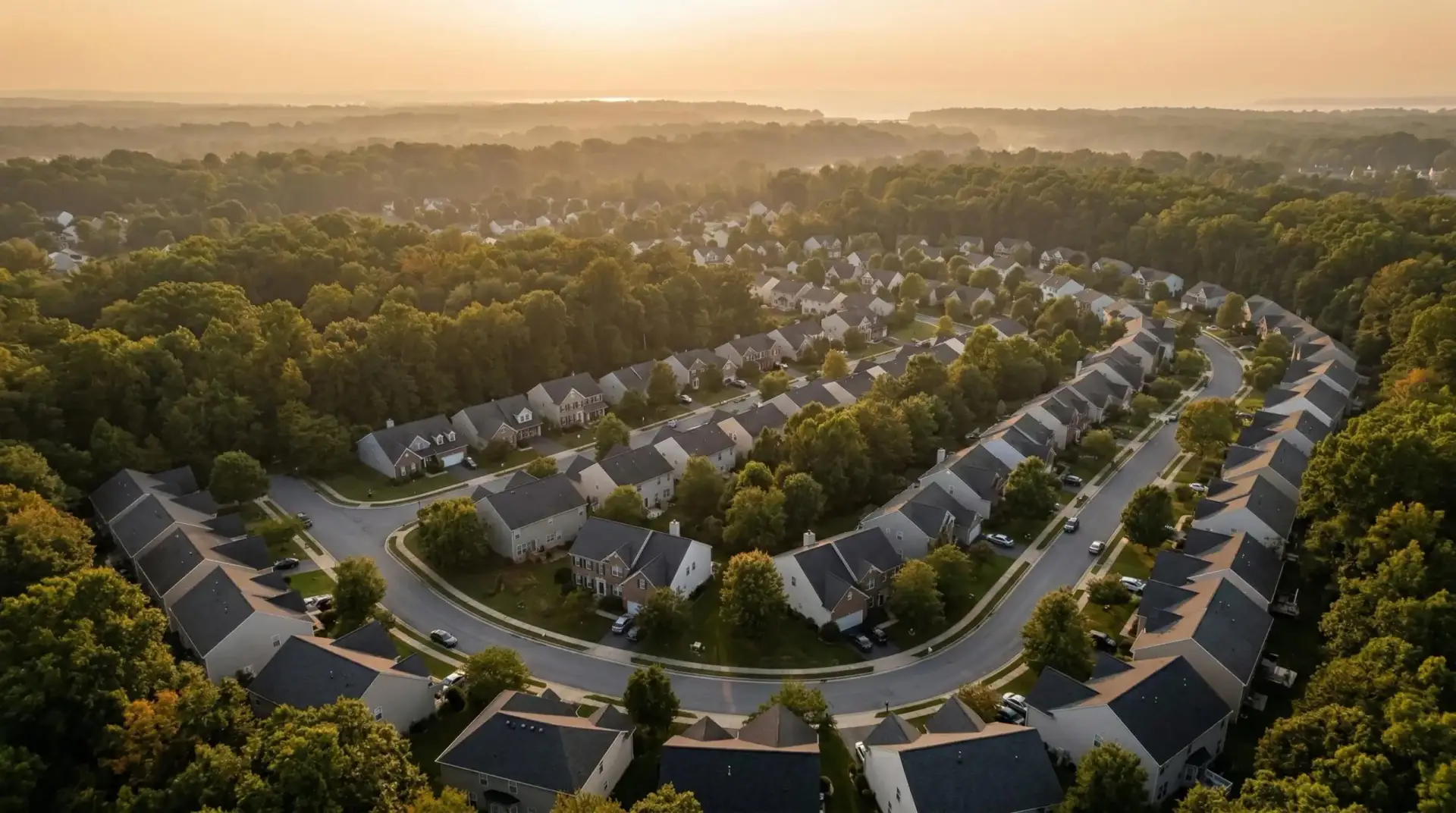
Everything Maryland & Virginia Homeowners Need to Know About Their Roof
From understanding what's under your shingles to knowing when repair becomes replacement — our free 11-page guide covers every question homeowners ask before making a roofing decision. Written for MD & VA conditions, not generic advice.
Download the Free Guide — Instant Delivery
Sent to your inbox immediately. No sales calls unless you ask.
What's Inside the Free Guide
JDH Remodeling has helped Maryland and Virginia homeowners make confident roofing decisions since 1986. This guide distills 38 years of field experience into a clear, jargon-free resource. Every chapter links to a deeper page on our Learning Center — from material systems to local replacement costs — so you can go as deep as you need.
Layers of a Roofing System
Most homeowners have never seen what's under their shingles. Pairs with our full roofing materials & systems guide and why roofs fail deep-dive.
- Decking & deck restoration
- Underlayment & ice barrier
- Flashing systems & chimney seals
- Ridge vent, cap & attic airflow
Inspecting Your Roof
Know what a real inspection covers. Our forensic inspection process goes far beyond a standard walk — see the forensic vs. standard comparison.
Roofing Materials Guide
Asphalt, metal, flat — compare cost, lifespan, and performance for MD & VA homes. See the full Owens Corning vs. GAF breakdown and local cost guide.
What to Expect on Build Day
First replacement? Pairs with our full replacement process guide and repair vs. replacement decision framework.
Ready to download the full guide? Enter your name and email below and we'll send it instantly. Prefer to talk first? Schedule a free forensic inspection — or read 1,400+ verified reviews from MD & VA homeowners before you decide.
10 Questions Every Homeowner Asks Before a Roofing Decision
These are the most common questions JDH homeowners ask before an inspection, repair, or replacement. Each answer is backed by our professional inspection standards and 38 years of field experience across Calvert, Charles, St. Mary's, Anne Arundel, and Prince George's counties.
How do I know if I need a new roof or just a repair?
The most reliable answer comes from a forensic roof inspection — not a visual walk-around. Most contractors look for obvious damage; forensic inspection uses FLIR thermal imaging to find hidden moisture, decking deterioration, and ventilation failures that determine whether your roof can be repaired or needs full replacement.
Asphalt shingles in Maryland and Virginia typically last 18–25 years given the region's humidity, freeze-thaw cycles, and summer heat. If your roof is over 15 years old and showing multiple symptoms, our repair vs. replacement decision guide walks through the full framework.
Full repair vs. replacement decision guideHow much does a new roof cost in Maryland or Virginia?
In Maryland and Virginia, a full asphalt shingle roof replacement typically ranges from $9,000 to $22,000 for a standard residential home, depending on square footage, pitch complexity, material selection, and existing deck condition. Standing seam metal roofing runs higher — typically $18,000–$40,000 — but carries a significantly longer lifespan.
Emergency repairs, pipe boot failures, or flashing work typically run $750–$3,500 depending on scope. See our full MD/VA roof cost guide for a complete breakdown by material and project type, or explore financing options if budget is a concern.
Full MD/VA roof cost guideHow long does a roof last in Maryland?
Roof lifespan in Maryland and Virginia depends heavily on material, installation quality, and maintenance. 3-tab asphalt shingles typically last 15–20 years in our climate. Architectural shingles — like the Owens Corning Platinum system we install — are rated for 30 years and often exceed that with proper attic ventilation and annual maintenance.
Standing seam metal roofing carries a 50+ year lifespan and is increasingly common in coastal Calvert County. Lifespan is also affected by how well common failure points like flashing and pipe boots are maintained.
Why roofs fail: root causes & failure modesWhat are the layers of a roofing system?
A properly installed roof has seven distinct layers, each serving a specific function. From bottom to top: structural decking (see deck protection), ice & water barrier, synthetic underlayment, starter shingles, field shingles, step and chimney flashing, and ridge vent and cap.
Each layer in the Owens Corning Platinum system is engineered to work together — skipping any layer voids the manufacturer warranty and is one of the most common contractor red flags to watch for. Read the full roofing materials & systems guide for detailed specs on each layer.
Full roofing materials & systems guideWhat does a roof inspection include?
A standard inspection covers visible shingle condition, flashing, gutters, and ridge — but it cannot detect hidden moisture, decking delamination, or ventilation failures. JDH's forensic roof inspection goes further: we deploy FLIR thermal imaging to map moisture intrusion, conduct an attic ventilation audit, and produce a written report with photographic documentation of every finding.
Most roof failures start below the shingles. See how our process compares in our forensic vs. standard inspection breakdown, review our professional inspection standards, or view a sample forensic report before you schedule.
Schedule a free forensic inspectionDoes homeowners insurance cover roof replacement in Maryland?
Homeowners insurance in Maryland and Virginia generally covers sudden storm damage — hail, wind, falling trees — but not wear-and-tear or age-related deterioration. After a qualifying storm event, you'll need documented evidence of damage to file a successful claim.
Our team handles the full insurance claim process from initial inspection through settlement. If you've had a recent storm, see our emergency roof leak triage guide and check our Maryland Storm Watch hub for active post-storm resources.
Full insurance claim documentation guideHow do I choose a trustworthy roofing contractor in MD or VA?
Start by verifying three things: active MHIC license, current liability and workers' comp insurance, and a physical local address. After major storms, unlicensed storm-chaser contractors move through Southern Maryland offering discounted work. They are typically uninsured and will not honor warranties.
JDH Remodeling holds MHIC license #137491, carries $8 million in liability coverage, and has been based in St. Leonard since 1986. Use our printable contractor checklist and full contractor hiring guide before signing any contract. Read 1,400+ verified homeowner reviews to see our track record.
Download the printable contractor checklistWhat should I expect during a roof replacement?
A standard residential replacement in Maryland and Virginia takes one to two days for most homes under 3,000 sq ft. JDH's five-step replacement process begins with pre-build inspection and materials delivery, followed by tear-off, deck assessment and any necessary deck restoration, full system installation, and a final quality walkthrough with photographic documentation.
Before build day: remove vehicles from the driveway and plan for noise from approximately 7 AM to 5 PM. Our 50-year non-prorated warranty covers both materials and workmanship. Read how to read your post-installation inspection report so you know exactly what was completed.
Full roof replacement process guideWhat roofing material is best for Maryland and Virginia homes?
For most MD and VA homes, architectural asphalt shingles deliver the best balance of cost, performance, and curb appeal. The full Owens Corning vs. GAF comparison breaks down the leading brands side by side. As an Owens Corning Platinum Preferred contractor — a designation held by fewer than 1% of roofers nationwide — JDH installs the complete Duration® shingle system with the industry's strongest warranty.
For waterfront properties in Chesapeake Beach, Solomons, or along the Patuxent, standing seam metal is preferred for salt-air resistance. For commercial or low-slope applications, see our TPO and EPDM flat roofing guide.
Full roofing materials comparisonMy roof is leaking right now — what do I do first?
If your roof is actively leaking, take three immediate steps before calling anyone: (1) protect the interior — place buckets, move furniture, and lay plastic sheeting over valuables; (2) document everything with photos and video before touching anything, as this is critical for your insurance claim; and (3) do not attempt to access the roof during rain or wind. Our emergency roof leak triage guide walks through each step in detail.
Once the weather passes, schedule a forensic inspection to identify the root cause. Most leaks originate at flashing failures, failed pipe boots, or valley debris accumulation — not the shingles themselves. Check our Maryland Storm Watch hub for post-storm resources, and if a major storm event has occurred, see our storm damage restoration service page.
Need a deeper dive? Our Learning Center has a dedicated page for every question above — from the forensic inspection process to the repair vs. replacement decision framework. Or schedule a free inspection and we'll answer them in person for your specific roof.
Why Maryland & Virginia Roofs Age Differently Than the Rest of the Country
Southern Maryland and Northern Virginia homeowners face a specific combination of climate stressors that most national roofing guides overlook. Understanding these factors is the first step toward making a sound roofing decision — whether that's repair, replacement, or a change in material.
Humidity, Freeze-Thaw, and the Chesapeake Effect
The Chesapeake Bay region sits at a climatic crossroads: hot, humid summers drive moisture into every roofing system penetration, while winters still deliver enough freeze-thaw cycling to expand and contract whatever water has been absorbed. This combination accelerates shingle granule loss, wood decking delamination, and flashing seal failure faster than either a purely northern or purely southern climate would on its own. It's one of the primary reasons our root cause analysis of roof failures consistently points to moisture as the underlying culprit — even when a homeowner reports the problem as "just a few missing shingles."
The Chesapeake Bay watershed averages 44 inches of annual precipitation — roughly 15% higher than the national average — with humidity levels that remain above 70% for most of the summer months.
Proper attic ventilation is the primary defense against this moisture load. Without adequate intake at the soffit and exhaust at the ridge, heat and humidity build inside the attic, cooking the shingles from below and shortening their effective lifespan by years. Our attic ventilation audit measures actual airflow against IRC 2018 minimum requirements — most homes we inspect are significantly under-ventilated.
IRC 2018 Section R806 requires a minimum of 1 sq ft of ventilation per 150 sq ft of attic floor space, with balanced intake-to-exhaust ratios. In practice, most homes built before 2005 in Calvert, Charles, and St. Mary's counties fall short of this standard. See our full professional inspection standards for how we measure and document ventilation deficiencies.
Salt Air Exposure in Coastal Communities
Properties within two miles of the Chesapeake Bay, the Patuxent River, or the Potomac face an additional stressor: airborne salt. Salt accelerates the oxidation of metal flashing, corrodes nails and fasteners at the shingle line, and degrades asphalt shingle adhesives faster than inland conditions. Communities like Chesapeake Beach, North Beach, Solomons Island, and Edgewater see measurably shorter shingle lifespans than inland towns like Huntingtown or Waldorf.
For waterfront properties, standing seam metal roofing is the preferred solution — its concealed fastener system eliminates the primary corrosion entry point, and properly coated metal panels resist salt-air degradation for 50+ years. See our roofing project gallery for coastal installation examples, including properties along the Bay and Patuxent.
Tree Canopy and Organic Debris
Southern Maryland's mature hardwood canopy is one of the region's defining characteristics — and one of its most consistent roofing challenges. Overhanging oak, maple, and tulip poplar branches deposit leaves, pollen, seed pods, and lichen spores directly onto roof surfaces year-round. In shaded, north-facing valleys and low-pitch sections, this organic debris retains moisture for days or weeks after rain, creating the warm, damp conditions that accelerate moss, algae, and gutter clog formation.
Moss and algae growth is cosmetic at first, but if left untreated for 2–3 seasons it begins lifting shingle edges and allowing water infiltration beneath the surface — a common finding in our forensic roof inspections across Calvert County neighborhoods.
In high-canopy areas like Dunkirk, Lusby, and Prince Frederick, seamless gutter systems with Leaf Relief® gutter guards are a standard recommendation alongside any roof repair or replacement. Without proper drainage routing, water backs up behind debris dams and drives moisture under the first course of shingles — particularly at the eave edge.
Storm Patterns and Insurance Implications
Maryland and Virginia are regularly exposed to three distinct storm types: Nor'easters (high sustained winds, heavy snow loads along roof valleys), tropical storm remnants (intense rainfall events that test every penetration and flashing point), and summer thunderstorms (localized hail and high-velocity wind gusts that cause impact damage to shingles and gutters). Each storm type creates different damage signatures, which is why our storm damage restoration process starts with a forensic assessment rather than a visual estimate.
If you experience storm damage, our Maryland Storm Watch hub provides real-time guidance on post-storm documentation, and our team handles the full insurance claim process including Xactimate-format documentation and direct adjuster coordination. For step-by-step guidance in the immediate aftermath, see our emergency roof leak triage guide.
Permit and Code Requirements in Calvert, Charles & St. Mary's Counties
Maryland requires a building permit for full roof replacement in most jurisdictions, including Calvert, Charles, St. Mary's, Anne Arundel, and Prince George's counties. Repairs under a defined scope (typically under 100 sq ft or limited to shingle-for-shingle replacement) may be exempt, but the threshold varies by county. JDH handles all permit applications and inspections as part of every replacement project — see our credentials and licensing page for MHIC documentation.
JDH holds MHIC License #137491 and operates under active $8 million liability coverage. All work is permitted and inspected per county requirements. If a contractor offers to skip the permit to save time, it is a significant red flag — unpermitted work can complicate VA/FHA appraisals, homeowners insurance claims, and resale disclosures.
JDH serves homeowners across five Maryland counties. Select your county for local roofing information:
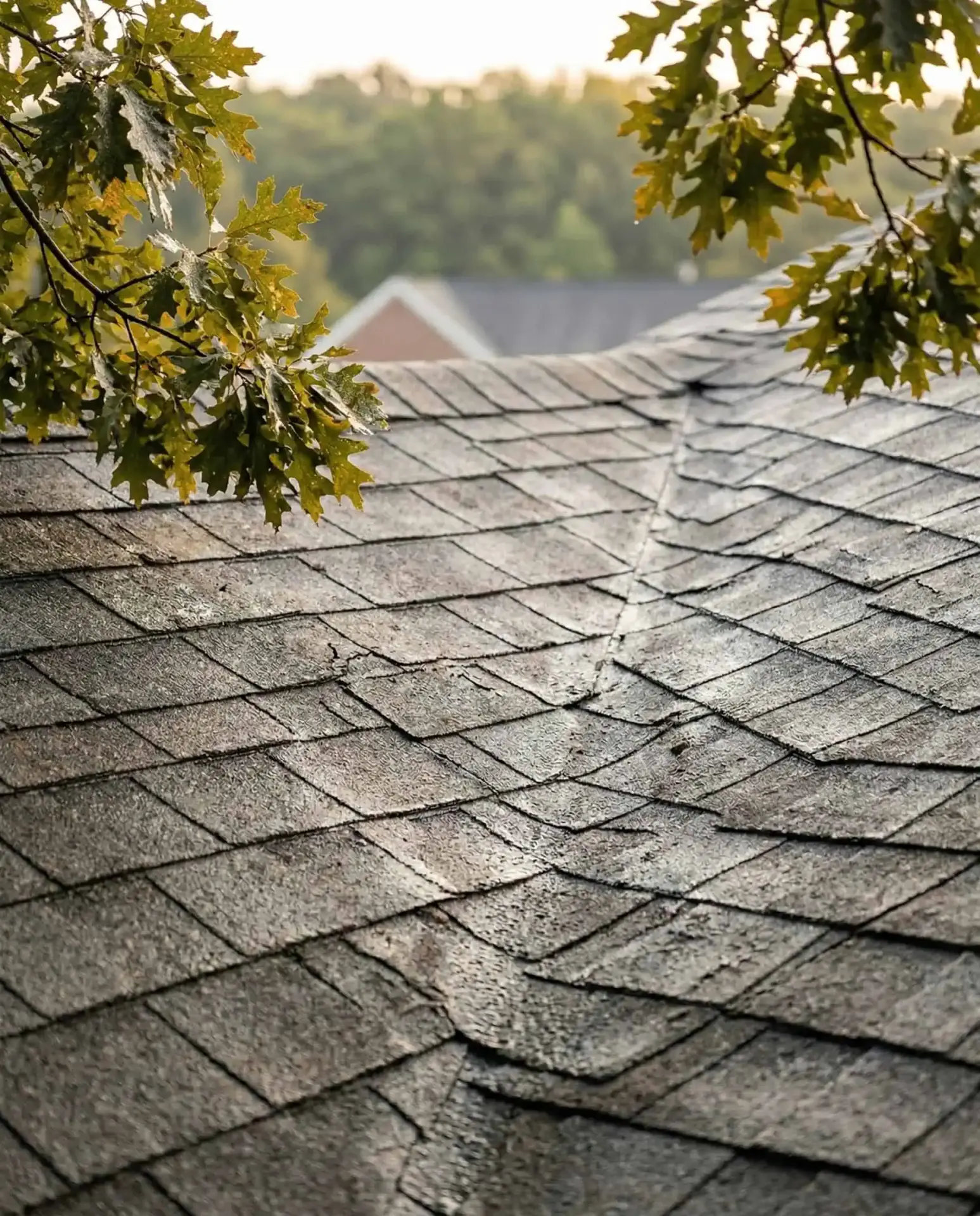
Not sure what's happening with your roof? A forensic inspection gives you a clear diagnosis — not a sales pitch.
Schedule Free InspectionEvery Layer of a Properly Installed Roof
A roof isn't just shingles — it's a seven-layer moisture management system. When any single layer fails or is installed incorrectly, the layers above and below it are put at risk. This is what separates a forensic inspection (which examines all seven layers) from a standard visual inspection (which typically only evaluates the top two). See our full roofing materials & systems guide for product-level detail on each component.
The complete Owens Corning Platinum system — seven engineered layers designed to work together. Each layer is warranted separately; omitting any one voids the full system warranty. From the JDH Residential Roofing Homeowner's Guide, available as a free PDF download.
Diagram from the JDH Residential Roofing Guide — free download below
What Each Layer Does — and Where It Fails
Every layer description below includes where that component most commonly fails in Maryland and Virginia conditions, and which page on our Learning Center covers that failure mode in depth. If our forensic inspection finds a specific layer failure, we'll document it in your written report with photos and a recommended scope of work.
Structural Decking
Plywood or OSB Substrate — The FoundationThe decking is the structural substrate that everything above it depends on. In Maryland and Virginia, OSB (oriented strand board) and plywood are the two standard materials. Both are vulnerable to delamination and rot when moisture infiltrates from above — a process that often takes years before becoming visible. By the time a homeowner notices a soft spot or sagging section, the decking has typically been compromised for multiple seasons.
Our FLIR thermal imaging detects moisture-saturated decking zones before they delaminate, allowing for targeted spot repairs rather than full deck replacement. See our roof deck protection guide for what proper deck preparation looks like during replacement.
Ice & Water Barrier
Self-Adhering Membrane — First Line of DefenseApplied directly to the decking at eaves, valleys, and penetrations before any other layer, the ice and water barrier is a self-sealing rubberized asphalt membrane. IRC 2018 requires it at all eave edges and in valleys in climate zones subject to ice damming — which includes all of Maryland. In high-risk locations (dormers, skylights, chimney bases), best practice extends coverage significantly beyond the minimum.
Substandard contractors often skip this layer or use felt paper as a substitute to save cost. This is one of the most common installation shortcuts our forensic inspections uncover on homes with recurring leak problems. See roofing scams to avoid for the full list of shortcuts to watch for.
Synthetic Underlayment
Secondary Moisture Barrier — Full Deck CoverageApplied over the full deck surface above the ice and water barrier, synthetic underlayment acts as a secondary moisture defense — the backup if any shingles are lost to wind or storm damage. Modern synthetic underlayments outperform traditional 15# or 30# felt paper in tear resistance, UV exposure tolerance, and moisture resistance. The Owens Corning Duration® system we install uses VersaShield® synthetic underlayment, which is rated for 60 days of UV exposure during construction.
For homes with steep pitches or complex rooflines common in Dunkirk and Huntingtown estates, premium underlayment selection is particularly important. See the full materials comparison guide for side-by-side specs.
Starter Strip Shingles
Eave & Rake Edge Sealant LayerStarter shingles are a purpose-engineered strip applied at eaves and rakes before the first course of field shingles. They carry pre-applied sealant that bonds to the first course of field shingles, creating a continuous seal at the roof's most wind-vulnerable edges. This detail is frequently skipped on low-bid jobs — contractors use cut-up field shingles instead, which lack the sealant strip and leave the eave edge exposed to wind uplift.
In Maryland and Virginia's Nor'easter and tropical storm exposure zone, proper starter strip installation is critical to preventing progressive shingle loss in high-wind events. It's one of the details we verify and document in every post-installation report. See how to read your inspection report to know what to look for.
Architectural Field Shingles
Primary Weather Surface — The Visible LayerThe field shingles are the primary weather surface — the only layer most homeowners ever see. Architectural (dimensional) shingles are the standard for residential replacement in Maryland and Virginia; they outperform 3-tab shingles in wind resistance (rated to 110+ mph), granule retention, and dimensional stability under temperature cycling. As an Owens Corning Platinum Preferred contractor, JDH installs the Duration® shingle — rated for 130 mph wind resistance with SureNail® technology.
Shingle selection also matters aesthetically. Explore available colors and profiles in our project gallery, compare the two leading systems in our Owens Corning vs. GAF comparison, or see how architectural shingles perform against metal in our materials guide.
Step Flashing & Chimney Flashing
Metal Transition Seals — Highest Leak Risk ZoneFlashing — the metal (typically galvanized steel or aluminum) used at every roof penetration and transition — is the single most common source of roof leaks in Maryland and Virginia. Step flashing runs along wall-to-roof intersections (dormers, additions, skylights). Chimney flashing requires counter-flashing embedded in the mortar joints above step flashing. Valley flashing seals the low-point channels where two roof planes meet.
All three types degrade over time from metal fatigue, sealant cracking, and freeze-thaw movement. Because flashing failures are hidden beneath shingles, they're routinely missed by visual inspections. Our chimney flashing service page covers common failure modes in detail; our forensic inspection documents flashing condition at every penetration and transition using thermal imaging.
Ridge Vent & Ridge Cap Shingles
Exhaust Ventilation & Peak Seal — The System's CrownThe ridge vent runs the full length of the roof peak and is the primary exhaust point for hot, humid attic air. Without adequate ridge ventilation, heat and moisture build up in the attic, cooking the shingles from below and accelerating decking deterioration. Ridge cap shingles sit over the vent, providing weather protection at the peak while maintaining airflow. The Owens Corning VentSure® ridge vent system we install provides 18 NFA (net free area) per linear foot — the highest rated in the industry.
Ridge vent separation is one of the most common findings in our Calvert County roof repair work, particularly after Nor'easter events. When the ridge vent seal fails, water infiltrates directly into the attic — often without producing interior water stains until significant damage has accumulated. Our attic ventilation efficiency guide explains how to evaluate whether your current ridge system is performing, and our full attic ventilation service page covers correction options. If you're concerned about your ventilation, our free forensic inspection includes a full ventilation audit with airflow measurements.
The Owens Corning Platinum System — All 7 Layers Warranted as One
Most roofing warranties cover materials only. The Owens Corning Platinum system — installed by fewer than 1% of contractors nationwide — provides a 50-year non-prorated warranty covering every layer as a single integrated system, including workmanship. Compare the full system against GAF in our side-by-side comparison, review our complete warranty documentation, or explore the full roofing materials guide.
8 Signs You May Need a New Roof
Most roof failures don't announce themselves with a sudden collapse — they develop over years through gradual moisture intrusion, material fatigue, and neglected maintenance. These eight warning signs are the most common indicators our team finds during forensic inspections across Maryland and Virginia. Not every sign means immediate replacement — but each one warrants a professional evaluation before the next storm season. Use our repair vs. replacement decision guide once you've identified your symptoms.
Interior Water Stains or Active Leak
Brown ceiling stains, dripping during rain, or attic moisture are signs that water has already breached the roofing system and reached your interior. Every day without repair allows mold, decking rot, and insulation damage to compound.
Do not wait for a dry spell — interior water entry is a plumbing-level emergency for your roof. Follow our emergency triage steps immediately, document everything for your insurance claim, and call for same-day response.
Emergency triage guideMissing, Cracked, or Curling Shingles
Shingles on the ground after a storm are an obvious sign. Less obvious: shingles that are curling at the edges (cupping) or buckling upward (clawing) — both indicate the shingle has lost flexibility and is nearing the end of its serviceable life. Missing shingles expose the underlayment to direct UV and precipitation.
If the damage is localized to a single storm event, targeted storm damage repair may be sufficient. If curling is widespread across multiple roof planes, the system-wide condition warrants our repair vs. replacement evaluation.
Storm damage repairFailed Flashing at Chimney, Dormers, or Vents
Flashing failures are the #1 cause of roof leaks in Maryland and Virginia homes — yet they're routinely missed by visual inspections because the failure point is hidden beneath shingles. Signs include rust staining on the chimney face, daylight visible around vent pipes from the attic, or recurring leaks in the same location despite prior repairs.
Caulk-only "repairs" at flashing joints fail within 3–7 years. Proper chimney flashing requires counter-flashing embedded in the mortar. Our FLIR thermal imaging maps every active flashing leak in a single inspection visit.
Chimney & step flashing repairGranules in Gutters or Downspouts
Asphalt shingles shed granules throughout their life, but heavy granule loss in gutters signals accelerated deterioration — typically triggered by age, hail impact, or moss/algae growth. Granules are the shingle's UV shield; without them, the asphalt layer hardens, cracks, and fails within a few seasons.
Check your downspout discharge after the first significant rain of each season. If you're finding significant mineral debris, schedule a forensic inspection to determine whether granule loss is localized (repairable) or system-wide (replacement threshold). Also check your gutter system for related drainage issues.
Roof failure causes & modesSagging Roof Deck or Soft Spots
A roof deck that visually dips between rafters, or feels spongy underfoot during inspection, indicates structural decking failure from prolonged moisture exposure. OSB and plywood both delaminate when saturated — a process that can begin years before it's visible from the street.
Sagging is never a repair-only situation. At minimum it requires deck board replacement in the affected area; at worst it indicates rafter damage that requires a structural assessment. Our deck protection and restoration service covers the full scope — and our FLIR thermal mapping identifies moisture-saturated zones before they fail completely.
Deck protection & restorationAttic Moisture, Mold, or Condensation
High humidity, black staining on rafters, or visible condensation on attic sheathing in winter indicates a ventilation failure — not necessarily a shingle-level problem. In Southern Maryland's climate, inadequate attic airflow creates a feedback loop: heat and moisture accelerate shingle degradation from below while creating conditions for mold growth on structural members.
Our attic ventilation service corrects both intake (soffit) and exhaust (ridge) deficiencies to IRC 2018 minimums. The ventilation efficiency guide explains how to assess your current system before scheduling an inspection.
Attic ventilation correctionMoss, Algae, or Lichen Growth
Dark streaks (algae) or green/white crusting (moss or lichen) are common across Southern Maryland's shaded, humid neighborhoods. Cosmetic at first, but progressive — moss roots lift shingle edges within 2–3 seasons, allowing moisture under the surface. Lichen is the most aggressive: its root system physically penetrates the shingle and is extremely difficult to remove without causing additional damage.
Algae-resistant shingles (like Duration® with Streakguard™) address the root cause. In the interim, professional treatment can slow growth — but if lichen is present and the roof is over 10 years old, the replacement threshold analysis is worth running. Tree trimming to reduce canopy shade is the most effective long-term prevention for Calvert County homes.
Why roofs fail: moss & algaeYour Roof Is 15+ Years Old
Age alone isn't a reason to replace a roof — but it changes how you interpret every other warning sign. A 20-year-old roof showing early granule loss is in a very different position than a 6-year-old roof with the same symptom. In Maryland and Virginia, most asphalt shingle roofs reach the end of their cost-effective lifespan between 18 and 25 years due to regional climate stressors.
If your roof is 15 years or older and you haven't had a professional inspection in the last 3 years, schedule one before the next storm season. A forensic inspection at this stage often uncovers issues that are still in the repairable range — before they cross the replacement threshold. See our MD/VA roof cost guide and financing options to plan ahead.
Schedule a free forensic inspectionRecognize Any of These Signs? Get a Diagnosis — Not a Sales Pitch.
JDH's forensic inspection uses FLIR thermal imaging to evaluate all seven roofing layers — not just what's visible from the ground. You'll receive a written report with photos, a root cause assessment, and a repair vs. replacement recommendation based on the actual condition of your roof. No pressure. No commission-based upsell. Read what makes a forensic inspection different, then schedule when you're ready.
Our 5-Step Roofing Process — No Surprises
Every JDH project — from a single pipe boot repair to a full system replacement — follows the same documented process. You'll know what's happening at every stage, what we found, and exactly what work was completed. Read the full roof replacement process guide for a detailed walkthrough, or see a sample inspection report to understand what your documentation will look like.
Contact & Same-Day Response
Call (443) 241-7356 or submit an inspection request online. We answer live 7 days a week — no answering service, no callback queue. For emergency storm damage or active leaks, we dispatch same day. For standard inspection scheduling, you'll be on the calendar within 48 hours.
When you call, have ready: your address, approximate roof age if known, and a description of what you're seeing (stain location, missing shingles, gutter issues, etc.). This lets us bring the right diagnostic equipment — including our FLIR thermal camera — on the first visit.
Forensic Inspection & Documentation
A JDH inspector — not a sales rep — performs a full forensic roof inspection covering all seven roofing layers, including FLIR thermal moisture mapping of the deck, an attic ventilation audit, and close-up photography of every condition finding. We also check flashing at all penetrations and evaluate deck condition where accessible.
This is not a visual walk-around. Read our forensic vs. standard inspection comparison to understand why the difference matters, or review our professional inspection standards documentation.
Honest Assessment & Written Report
You receive a written inspection report with photographic documentation of every finding, a root cause assessment, and a clear repair vs. replacement recommendation — not a menu of upsell options. We walk through the report with you in person or via video call, answer every question, and give you our honest professional opinion on the best path forward.
If repair is the right answer, we'll say so. If replacement is warranted, we explain exactly why — by layer, by failure mode — so you can make an informed decision. See how to read your inspection report before your appointment, and our full repair vs. replacement framework to understand the decision criteria.
Permitted Installation & Build Day
JDH pulls all required permits and handles county inspections. Our crews are JDH employees — not day-labor subcontractors — and every installation follows the Owens Corning Platinum system specification to maintain the full 50-year non-prorated warranty. Materials are delivered to your driveway the evening before build day.
During installation: tear-off begins at 7 AM, deck is inspected and any deteriorated sections replaced with new decking material, all seven layers are installed in sequence, and the site is fully cleaned — including a magnet sweep for nails — before our crew leaves. See the full replacement process guide for a day-by-day breakdown and homeowner preparation checklist.
Final Inspection, Documentation & Warranty Registration
Every project closes with a documented final walkthrough — photos of each roof plane, penetrations, flashing, ridge vent, and gutter connection. You receive a post-installation report, your Owens Corning Platinum warranty certificate (registered in your name), and a record of any deck boards replaced with location photos.
For VA or FHA loan transactions, we provide roof certification documentation on request. For insurance claims, our post-installation report satisfies adjuster documentation requirements in most Maryland and Virginia markets. We also offer a complimentary re-inspection at 12 months to verify all systems are performing as installed.
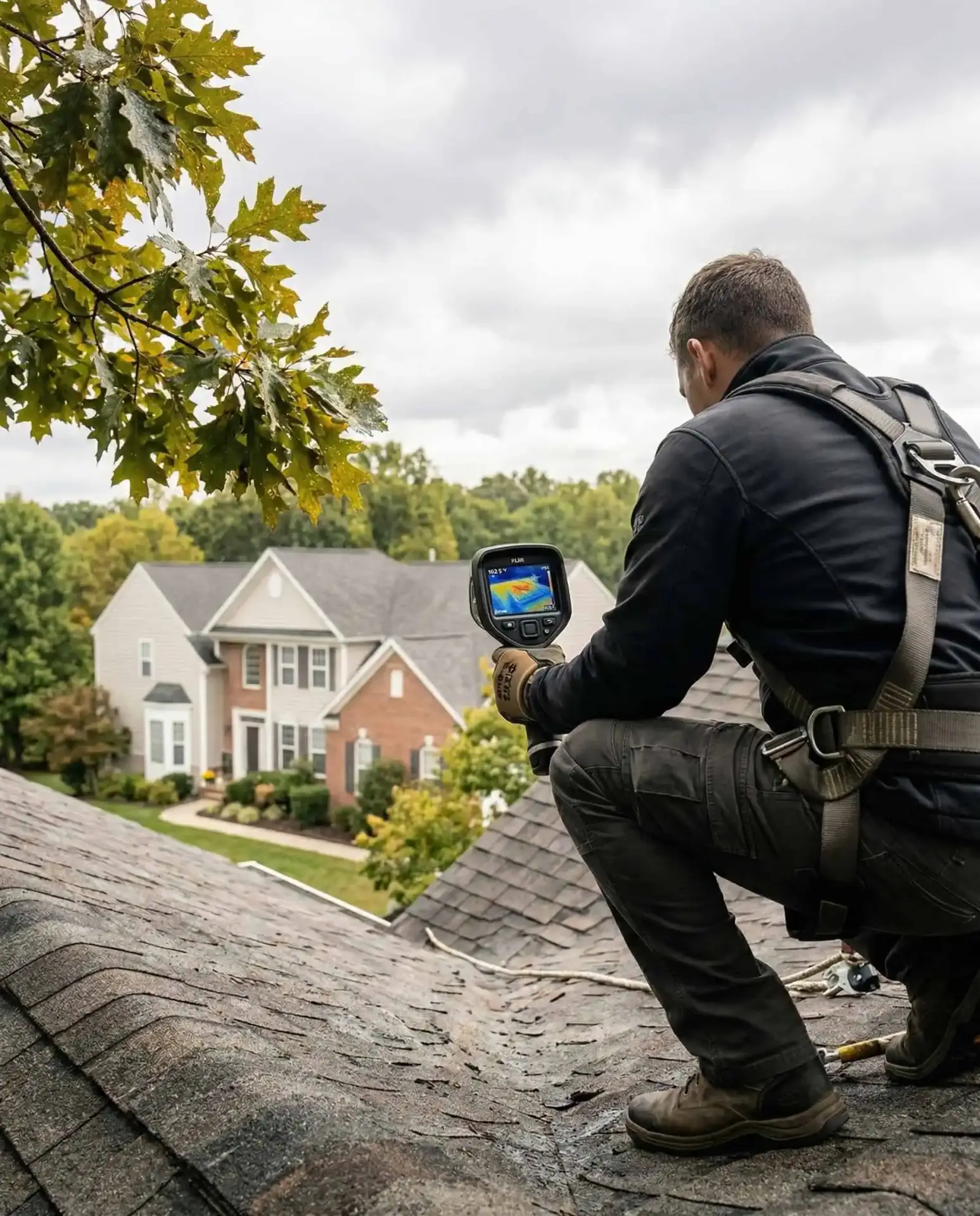
Ready to start at Step 1? Schedule a free forensic inspection — same-day available for emergency situations.
Schedule Free InspectionClosing on a home with a VA or FHA loan in Maryland or Virginia? We provide VA/FHA roof certification documentation — the standardized report lenders require to confirm the roof meets minimum property condition requirements. Filing an insurance claim after storm damage? We prepare Xactimate-ready insurance documentation and work directly with your adjuster from first inspection through final settlement. Both services are covered under our MHIC #137491 license and $8M liability coverage.
What Maryland & Virginia Homeowners Say After Working With JDH
JDH has served Maryland and Virginia homeowners since 1986. Read the full review history or leave your own at our reviews page, or see project photos in our roofing project gallery.
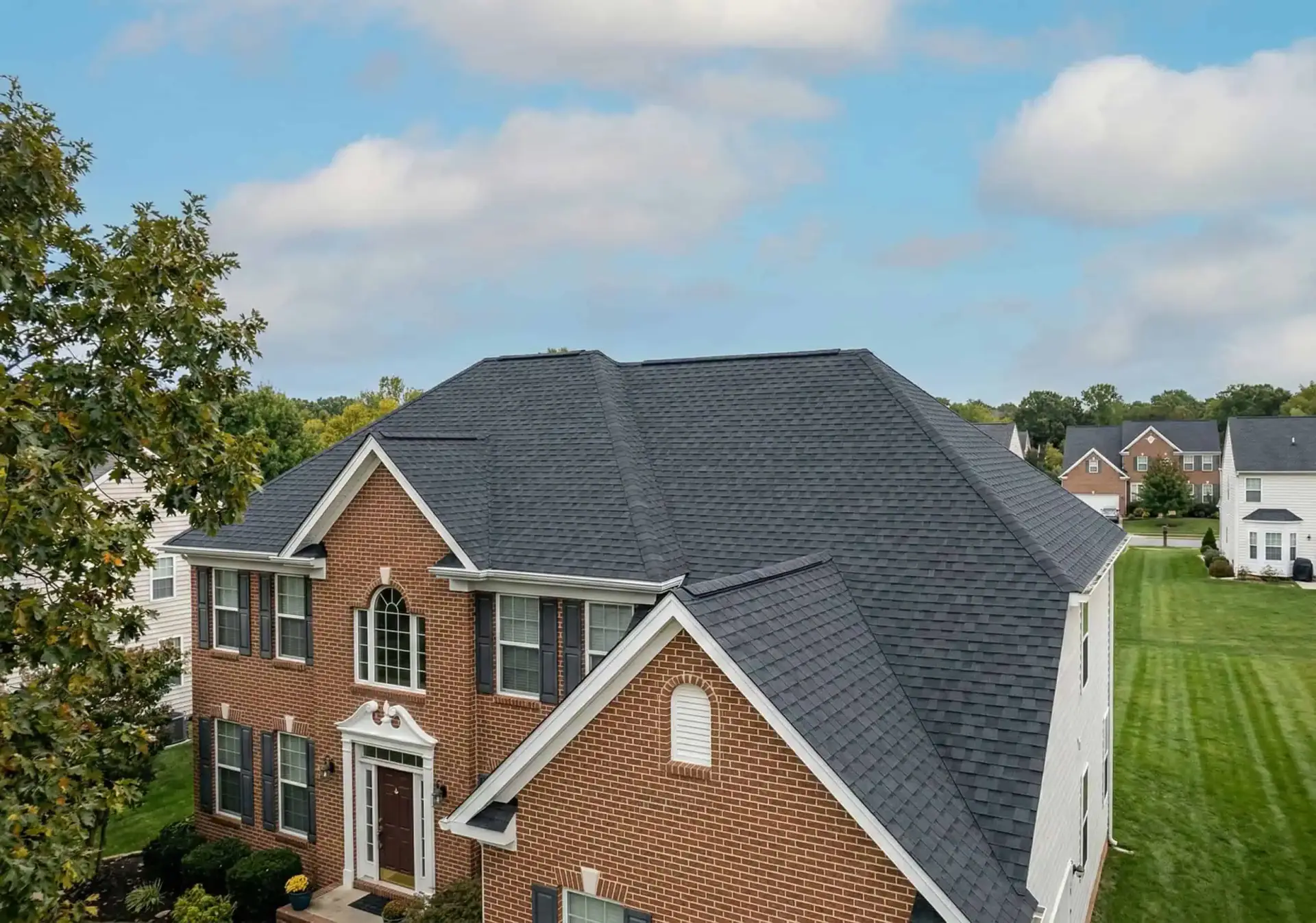
"Three other contractors told me I needed a full replacement. JDH did a proper inspection with a thermal camera and found that only two sections of decking actually needed replacement — the rest was sound. Saved me nearly $8,000. The written report explained everything. I'll never hire anyone without asking for a forensic inspection first."— Robert H., Prince Frederick, Calvert County
"After the June storm took out a section of our roof, JDH was on-site the same afternoon with a tarp and had the full insurance documentation to my adjuster within 48 hours. The claim was approved for the full replacement amount. The crew finished in one day. I was blown away by how organized and professional the whole process was."— Patricia M., Edgewater, Anne Arundel County
"We had a leak at the chimney that two other roofers patched and couldn't fix. JDH found that the counter-flashing had never been properly set in the mortar — the previous 'repairs' were just caulk that kept failing. They rebuilt the flashing correctly and the leak has been gone for two years. Honest diagnosis, permanent fix."— David & Karen L., Waldorf, Charles County
Roofing Questions Maryland & Virginia Homeowners Ask Most
These are the questions we hear most often on inspection visits and calls. If your question isn't here, browse the full Learning Center or call us directly at (443) 241-7356 — we answer live, seven days a week.
How do I know if I need a repair or a full roof replacement?
The repair vs. replacement decision depends on four factors: the age of the roof, the percentage of surface area affected, whether the failure is cosmetic or structural, and whether the underlying decking has been compromised. A roof under 15 years old with isolated damage — a failed flashing, a few missing shingles, a single pipe boot failure — is almost always a repair candidate. A roof over 20 years old with widespread granule loss, multiple failure points, or any deck moisture saturation is typically at or past the replacement threshold.
The most important step is getting an honest assessment from a contractor who isn't commission-motivated to recommend replacement. Our forensic inspection with FLIR thermal imaging maps every failure point and moisture zone before we make any recommendation. See our full repair vs. replacement decision framework for the criteria we use.
How long does a roof replacement take in Maryland or Virginia?
Most residential roof replacements in Maryland and Virginia are completed in a single day. A standard 2,000–3,000 sq. ft. home with a straightforward gable or hip roof typically takes 6–10 hours from first tear-off to final cleanup. Larger homes, complex rooflines with multiple valleys and penetrations, or projects requiring significant deck board replacement may extend to two days.
Our crews start at 7 AM and don't leave until the site is fully cleaned — including a magnet sweep for nails in the driveway and yard. Materials are delivered the evening before build day so nothing is sitting in your driveway overnight unexpectedly. See the full day-by-day homeowner prep guide in our roof replacement process walkthrough.
What does a roof replacement cost in Maryland or Virginia?
In the Maryland and Virginia markets JDH serves, a full architectural shingle replacement on a typical single-family home runs $12,000–$22,000 depending on square footage, roof pitch, complexity, and decking condition. Homes with multiple dormers, steep pitches, or extensive valley systems are at the higher end. Metal roofing systems run $22,000–$45,000+ for the same homes.
The most significant variable most homeowners don't anticipate is decking — if moisture has deteriorated OSB or plywood beneath the shingles, board replacement is billed per sheet and can add $1,500–$4,000 to the project. This is why a pre-replacement thermal inspection matters: it lets us price the deck work accurately before the job starts, not as a surprise on build day. For detailed pricing by scope, see our MD/VA roof replacement cost guide. Financing options are available for qualifying projects.
What is a forensic roof inspection and why does it matter?
A forensic roof inspection is a documented, multi-layer evaluation of the entire roofing system — not just a visual walkover of the shingle surface. It includes FLIR thermal imaging of the deck, an attic moisture and ventilation audit, close-up photography of every failure point, and a written root cause assessment that explains why the failure occurred, not just where.
The difference matters because most roof failures originate below the shingle surface — in the flashing, the underlayment, the deck, or the ventilation system. A standard visual inspection misses these entirely. Our forensic inspection process is documented in detail, including what separates it from a standard inspection, a sample report you can review before scheduling, and our professional inspection standards. The inspection is free for homeowners considering JDH for their project.
Do I need a permit for a roof replacement in Maryland or Virginia?
In most Maryland and Virginia jurisdictions, a full roof replacement requires a building permit. Calvert, Charles, St. Mary's, Anne Arundel, and Prince George's Counties in Maryland all require permits for full replacements — and several require a county inspection of the completed work before the permit is closed. Routine repairs (replacing a few shingles, resealing flashing) typically don't require permits, but rules vary by county and scope.
JDH pulls all required permits and manages the county inspection process as part of every replacement project — this is included in your contract price, not billed separately. Be wary of contractors who suggest skipping permits to save money: an unpermitted replacement can void your homeowner's insurance, create issues at resale, and leave you without recourse if workmanship problems emerge. Read our contractor selection guide for the full list of questions to ask before hiring.
How does the Owens Corning Platinum warranty work — and why does the contractor matter?
Owens Corning's Platinum Preferred warranty is a 50-year non-prorated, transferable warranty that covers both materials and labor — but it's only available through contractors who have earned Platinum Preferred status. Fewer than 1% of roofing contractors in the country qualify. If a non-Platinum contractor installs OC shingles, the maximum available warranty is typically a 10-year limited labor warranty — a significant downgrade from the full system protection.
JDH is an Owens Corning Platinum Preferred contractor. Every eligible replacement project we complete includes the full 50-year system warranty registered in the homeowner's name. The warranty is also transferable to the next owner, which adds documentable resale value. See our full OC Platinum overview, the OC vs. GAF system comparison, and our warranty documentation page for the coverage specifics.
What should I do right now if my roof is actively leaking?
Call (443) 241-7356 immediately — we dispatch same-day for active leaks, 7 days a week. While you wait: place buckets to catch dripping water, move valuables and electronics away from the affected area, and take photos and video of every affected surface (ceiling, walls, flooring) for your insurance claim. Do not attempt to access the roof yourself during rain or wind.
Document everything before you touch anything. Insurance adjusters need photographic evidence of the pre-mitigation condition. Our team will deploy an emergency tarp to stop further water entry, photograph all damage for your claim file, and provide you with a written emergency report within 24 hours. Follow our full emergency roof leak triage guide for step-by-step documentation instructions, and our insurance claim guide to understand how the claim process works from first call through final settlement. You can also check Maryland Storm Watch to track active weather events affecting our service area.
Still have questions? Our full Learning Center covers roofing materials, attic ventilation, storm damage, contractor selection, and more — all written for Maryland and Virginia homeowners. Or call us at (443) 241-7356 and talk to someone who actually knows your county.
Browse the Learning CenterGet the Complete Guide — Free for Maryland & Virginia Homeowners
Everything on this page — the 7-layer system breakdown, inspection checklist, material comparisons, and process walkthrough — is compiled into a single 11-page PDF you can keep, share with a spouse, or bring to contractor meetings. No upsell. No follow-up call unless you want one.
Submit the form and we'll send it to your inbox immediately. If you're also ready for an inspection, note that in the message field and we'll reach out to schedule — otherwise you'll simply receive the guide, nothing more.
Download the Free Guide — Instant Delivery
Sent to your inbox immediately. No spam, no sales calls unless you ask.