




Near Me Roofing Services You Can Trust: Find Reliable Local Roof Repair and Replacement
Local homeowners and businesses rely on timely, high-quality roofing solutions to protect their investments. Discovering nearby roofing companies that combine craftsmanship with transparent pricing resolves the anxiety of unexpected leaks, storm damage, and aging materials. This guide covers how to select trusted contractors, recognize repair needs, estimate replacement costs, compare material options, and understand emergency service workflows. Learn expert criteria for licensing and reviews, signs of roof distress, local cost drivers, best roofing materials, and 24/7 response processes—all tailored for your area and supported by detailed insights.
Explore reliable expertise through our Roofing Services – JDH Remodeling, then weigh the factors below to secure a sturdy, long-lasting roof.
How Do I Choose the Best Roofing Contractors Near Me?

Choosing the right local roofing contractor means verifying credentials, comparing feedback, and confirming service coverage to ensure durable results and local accountability.
When evaluating nearby roofing companies, focus on three core aspects:
- Licensing and Insurance Verification – Confirm valid trade licenses, liability insurance, and worker’s compensation to protect your property and finances.
- Customer Feedback Analysis – Analyze ratings, testimonials, and project photos to gauge workmanship consistency and communication quality.
- Service Area and Response Times – Ensure contractors cover your neighborhood with prompt inspection and repair availability.
These criteria establish a foundation for both quality assurance and timely completion across all roofing projects.
What Qualifications Should Trusted Local Roofers Have?
Roofing contractors must carry state or local trade licenses, comprehensive liability insurance, and clear warranty programs to guarantee workmanship and material coverage. Reliable professionals also maintain industry certifications—such as shingle manufacturer endorsements—and adhere to safety standards enforced by local building codes.
- State License: Validates training, exams, and legal authorization for roof installations.
- Insurance Coverage: Protects homeowners from liability for on-site accidents or property damage.
- Manufacturer Certifications: Indicates advanced training on specific materials and installation best practices.
- Warranty Terms: Offers defined coverage periods for materials and labor, ensuring long-term value.
These qualifications safeguard investment and establish trust in every roofing engagement, setting the stage for transparent cost estimates.
How Can Customer Reviews Help Identify Reliable Roofing Companies?
Customer feedback reveals real-world performance, workload management, and post-job support, enabling data-driven contractor selection. Reviewing star ratings, before-and-after photos, and detailed narratives uncovers recurring strengths or issues.
- Analyze Rating Trends: A consistent 4.5+ average signals sustained quality and customer satisfaction.
- Inspect Project Galleries: Visual proof of clean installations and effective repairs demonstrates craftsmanship.
- Read Service Narratives: Descriptions of communication, scheduling, and problem resolution indicate professionalism.
The Importance of Online Reviews and Ratings for Choosing the Right Roofing Contractor
Online reviews and ratings are crucial for consumers to make informed decisions when selecting a roofing contractor, providing valuable insights into service quality, communication, and overall customer satisfaction. A strong online reputation, often reflected in consistently positive reviews, significantly influences consumer trust and purchasing decisions.
This research highlights how customer feedback, including star ratings and detailed narratives, helps homeowners assess the reliability and professionalism of roofing companies, directly supporting the article’s guidance on contractor selection.
Which Local Areas Do Trusted Roofing Contractors Serve?
Mapping a contractor’s service area offers insight into regional expertise, typical weather challenges, and neighborhood references. The table below outlines common coverage zones, predominant roof types, and average response windows.
| Coverage Zone | Common Roof Types | Typical Response Time |
|---|---|---|
| Northern Suburbs | Asphalt Shingles | 24–48 hours |
| Downtown District | Flat and Low-Slope | 12–24 hours |
| Coastal Communities | Metal and Tile Roofs | 36–48 hours |
Regional proficiency reduces travel delays, ensures compliance with local codes, and aligns repair strategies with climate-driven material choices.
What Are the Signs I Need Local Roof Repair Services?
Roof repair demand emerges when leaks, material wear, or impact damage compromise weather barriers and structural integrity. Recognizing these cues quickly mitigates interior water damage and extends roof lifespan.
How Do I Detect Common Roof Leaks and Damage?
Visible water stains on ceilings, curling or missing shingles, and granule buildup in gutters indicate compromised waterproofing layers. Early detection prevents minor issues from escalating into costly interior repairs.
- Inspect Attics for Ceiling Discoloration: Dark patches reveal active leaks.
- Examine Shingle Edges: Missing tabs or raised corners signal wind uplift.
- Check Gutter Sediment: Excessive granules denote asphalt wear and UV degradation.
Spotting these patterns allows prompt scheduling of local repair teams before secondary damage occurs.
When Should I Call for Emergency Roof Services Near Me?
Call for emergency roofing when active leaks threaten electrical systems, mold growth risks dwellings, or structural components show signs of sagging. Immediate intervention protects safety and prevents further deterioration.
- Severe Interior Dripping During Rainstorms
- Visible Sagging or Deformation of Roof Decking
- Exposed Insulation or Ceiling Collapse Risk
Triggering a rapid response secures the shelter envelope and sets the stage for permanent repairs.
How Does Storm Damage Affect My Roof and Repair Options?
Severe weather events damage roofs through high winds, hail impact, and falling debris, disrupting protective layers and creating entry points for moisture. Repair solutions range from targeted shingle replacement to comprehensive deck restoration.
| Storm Element | Damage Type | Repair Option |
|---|---|---|
| High Winds | Lifted or Torn Shingles | Re-nailing and Sealant |
| Hail | Punctures and Bruising | Granule Replacement or Patch |
| Falling Limbs | Punctures or Fractures | Sheathing Repair and Overlay |
Addressing each damage type ensures the roof system regains full integrity and storm resistance.
What Is the Typical Roof Replacement Cost Near Me?
Roof replacement costs combine material expenses, labor rates, and project complexity to deliver a budget range for local homeowners. Understanding cost components helps set realistic expectations and guides financing decisions.
Which Factors Influence Roof Replacement Prices Locally?
Local pricing hinges on material selection, roof size, slope, and labor availability. Urban areas may command higher crew rates, while specialized materials like standing-seam metal require skilled installers.
- Material Type: Asphalt shingles versus metal or tile
- Roof Geometry: Steeper slopes and multiple facets increase labor time
- Removal Complexity: Underlayment removal and disposal fees
- Local Labor Rates: Urban wage premiums and contractor demand
Quantifying these factors empowers accurate cost projections before committing to replacement projects.
What Financing Options Are Available for Roof Replacement?
Homeowners access financing through home equity loans, personal lines of credit, or contractor-offered payment plans that spread costs over time while preserving cash flow.
- Home Equity Line of Credit: Competitive rates secured by home equity
- Personal Loan: Fixed payments without property collateral
- Contractor Financing: In-house plans with deferred payments and minimal upfront fees
Best Roof Financing Options in 2025
Homeowners seeking to finance roof replacement have several options, including home equity loans, home equity lines of credit (HELOCs), and personal loans. Each option presents different interest rates, repayment structures, and collateral requirements, allowing individuals to choose based on their financial circumstances and project needs.
This information directly supports the article’s section on available financing options for roof replacement, detailing common methods homeowners can use to manage the cost of their roofing projects.
How Long Does a Roof Replacement Take?
A standard residential roof replacement proceeds in distinct phases over 2–5 days, depending on complexity and weather conditions.
- Site Preparation and Safety Setup
- Shingle Removal and Deck Inspection
- Underlayment Installation and Flashing Replacement
- New Material Application and Cleanup
Clear scheduling timelines ensure homeowners plan around construction without prolonged exposure to open roof conditions.
What Roofing Materials Are Best for Local Homes and Businesses?
Material choice balances cost, aesthetics, durability, and energy performance to match regional climate demands and architectural styles. Selecting the optimum roofing system enhances building value and reduces long-term maintenance.
| Material | Advantage | Typical Cost Range |
|---|---|---|
| Asphalt Shingles | Cost-effective and versatile | Low to Moderate |
| Metal Roofing | High durability and energy savings | Moderate to High |
| Tile and Slate | Aesthetic longevity | High |
| Flat Roof Membranes | Seamless waterproofing | Moderate |
Roofing Materials Ranked By Longevity: The Ultimate Comparison
A comprehensive comparison of roofing materials reveals significant differences in lifespan and durability. Slate roofing can last over 100 years, while clay and concrete tiles typically last 50-100 years. Metal roofing offers 40-70+ years of protection, and asphalt shingles range from 15-30+ years depending on the type.
This study provides factual data on the expected lifespan of various roofing materials, directly informing the article’s discussion on selecting the best materials for durability and long-term value.
Each material aligns with different performance priorities and investment levels.
What Are the Benefits of Asphalt Shingles for Residential Roofing?
Asphalt shingles offer an ideal balance of affordability, ease of installation, and a wide selection of colors and styles that complement various home designs.
Why Choose Metal Roofing for Durability and Energy Efficiency?
Metal roofing systems resist wind uplift, shed snow easily, and reflect solar heat, resulting in longer service life and lower cooling costs.
What Are the Options for Flat and Tile Roof Systems?
Flat roofs can utilize TPO, EPDM, or PVC membranes for seamless waterproofing, while clay or concrete tiles provide classic aesthetics and exceptional fire resistance.
How Do Emergency Roof Repair Services Work Near Me?
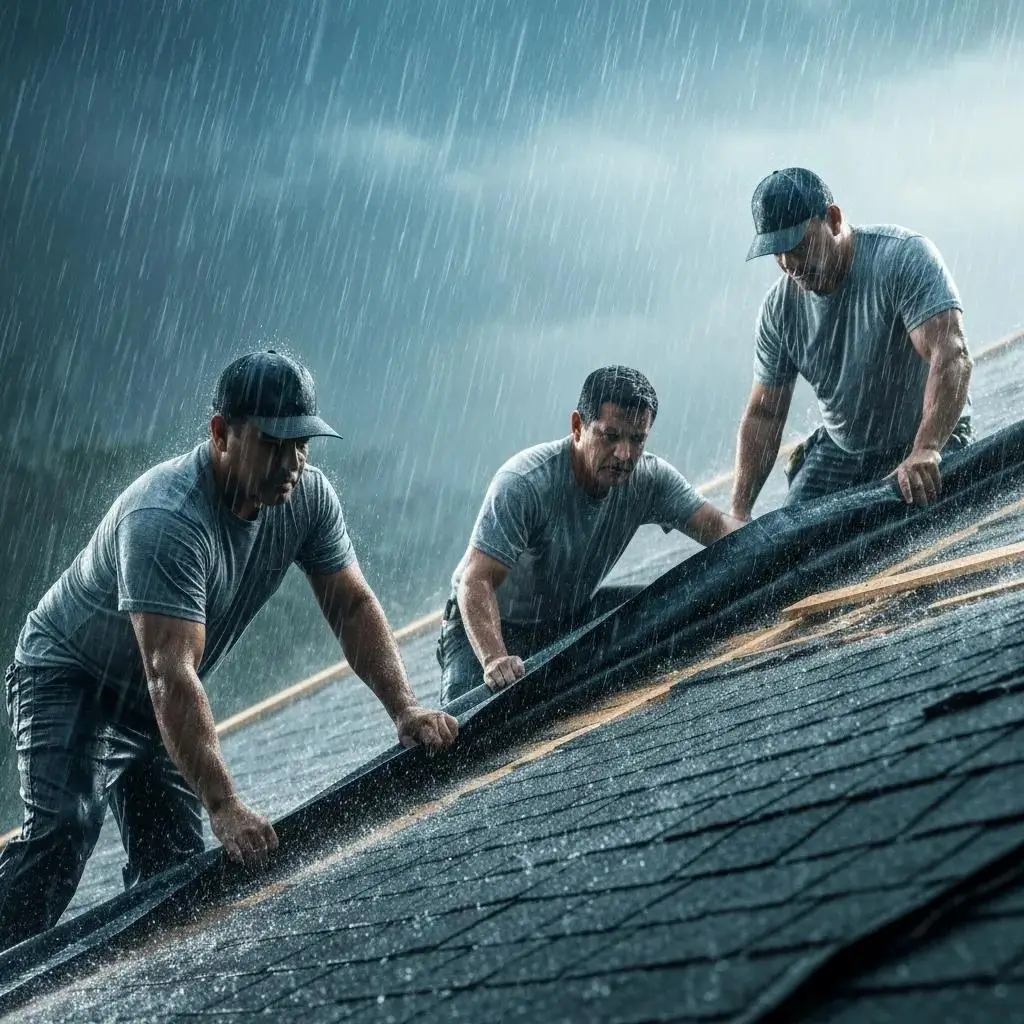
Emergency roof repair delivers immediate leak mitigation through temporary measures, followed by full-scope evaluations to restore complete weather protection.
What Are Common Causes of Emergency Roof Damage?
Roof emergencies often stem from sudden storms, large hail impact, high-velocity winds, or falling tree limbs, each requiring rapid response to prevent interior damage.
How Does the 24/7 Emergency Roof Repair Process Operate?
- Customer Contact and Damage Assessment
- Temporary Tarp Installation to Stop Leaks
- Detailed Inspection and Permanent Repair Plan
- Final Restoration and Cleanup
This workflow ensures safety and systematic restoration of roof performance.
Can Emergency Repairs Be Covered by Insurance?
Insurance can cover emergency roofing when documented damage meets policy terms. Homeowners should photograph damage, secure temporary fixes, and submit detailed claims with professional repair estimates to maximize coverage.
All these steps equip property owners with the information and local resources to confidently select, assess, and engage roofing services that deliver trust, durability, and timely results. Remember to verify credentials, compare reviews, evaluate repair signs, and choose materials that suit both aesthetic preferences and performance needs. When emergencies arise, prompt professional response and documented claims ensure peace of mind and ongoing protection for your home or business.