



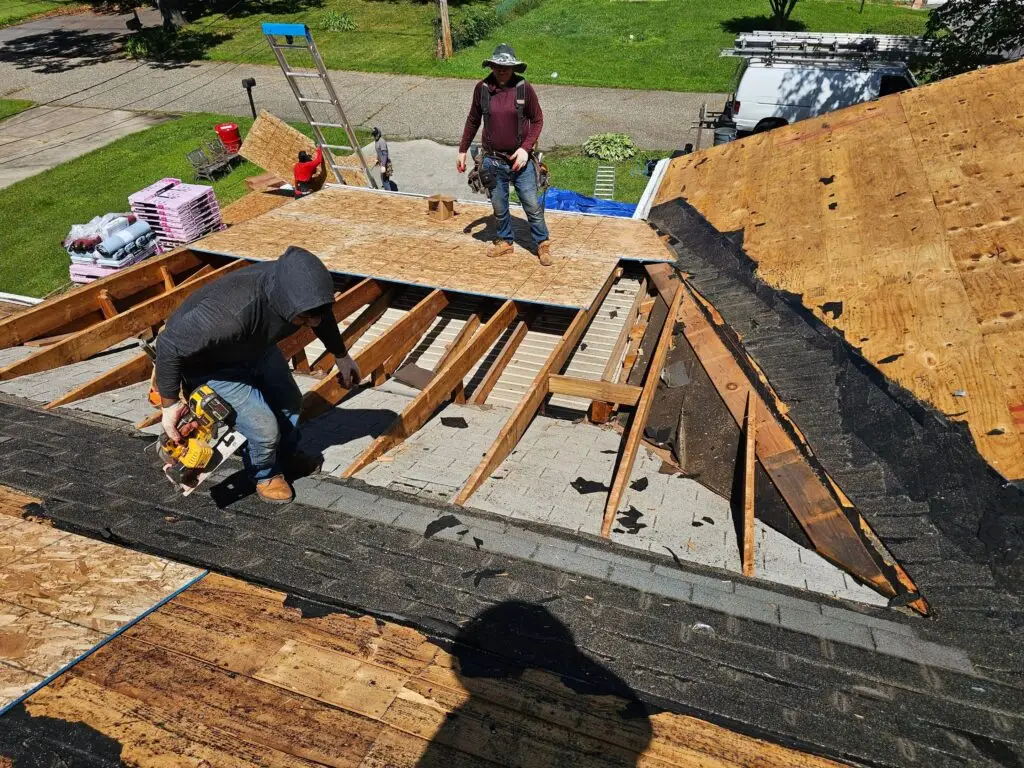
When a leaky roof or storm damage strikes, the first thing on your mind is likely, “Where can I find roof repair near me?” It’s a practical question, and the good news is that quality roofing services are often closer than you think. Considering a new roof installation can offer benefits such as quick installation times, guaranteed workmanship, and peace of mind. Whether you’re dealing with missing shingles, water stains on your ceiling, or just want to maintain your home’s first line of defense, this guide will walk you through everything you need to know about finding the right roof repair solution in your area.
Why Prompt Roof Repair Matters
Your roof isn’t just a part of your home—it’s the shield that protects everything underneath it. Ignoring small issues like a loose shingle or a minor leak can lead to bigger problems down the road, such as mold growth, structural damage, or even a full roof replacement. Seasonal challenges like snow, ice, and other elements can exacerbate these issues, causing leaks and additional stress on the roof.
For example, a small leak might not seem urgent, but water has a way of seeping into places you can’t see. Over time, it can rot wooden beams, damage insulation, or weaken your home’s foundation. By addressing repairs early, you save yourself from costly headaches later. Plus, a well-maintained roof boosts your home’s curb appeal and resale value—something every homeowner can appreciate.
Signs You Need Roof Repair
Here are some telltale signs that your roof needs attention:
Snow, along with ice and other elements, can contribute to roof damage, leading to issues such as leaks or sagging areas.
Missing or Damaged Shingles: High winds, heavy rain, or age can cause shingles to crack, curl, or disappear entirely.
Leaks or Water Stains: If you spot brown spots on your ceiling or walls, your roof might be letting water in.
Granules in Gutters: Finding tiny gravel-like particles in your gutters means your shingles are wearing out.
Daylight Through the Roof: If you can see light peeking through your attic ceiling, there’s a hole that needs fixing.
Sagging Areas: A drooping roofline could signal structural issues that demand immediate repair.
If any of these sound familiar, don’t wait. Begin looking for a local roofing contractor and take time to choose the right one.
Identifying Roof Damage
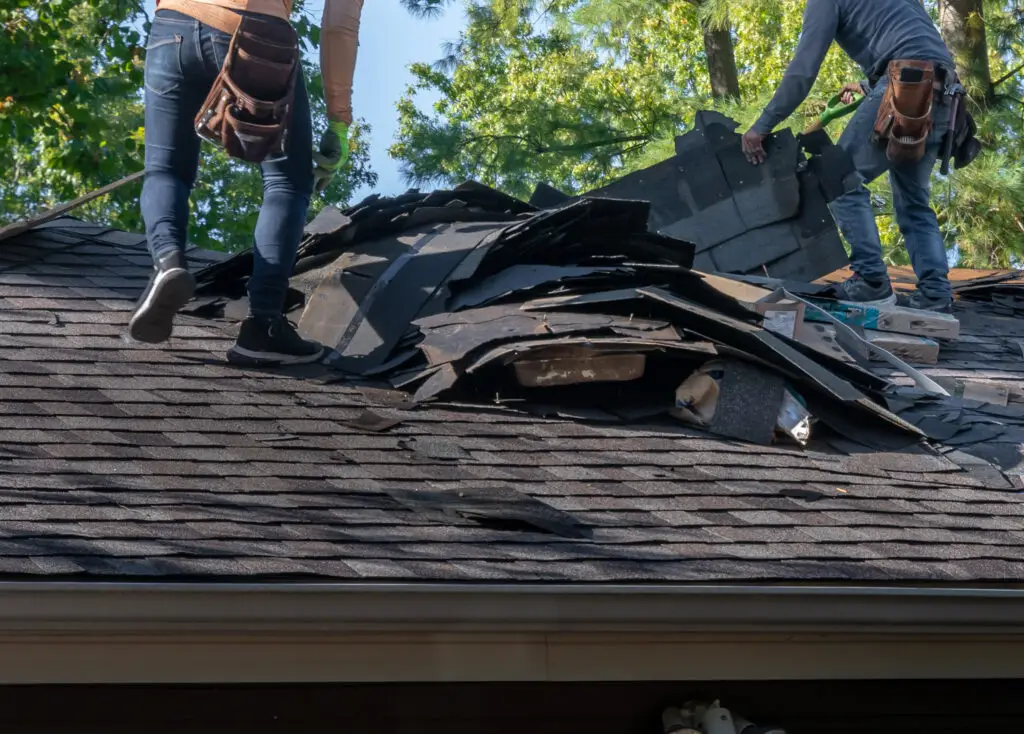
Identifying roof damage can be a difficult, especially for homeowners who do not have any experience with roofing systems. However, it is important to identify roof issues early to prevent further damage and costly repairs. Here are some common signs of roof damage to look out for:
Missing, Damaged, or Loose Shingles: High winds, heavy rain, or age can cause shingles to crack, curl, or disappear entirely.
Cracked or Broken Tiles: Tiles can break or crack due to impact or weathering, compromising the roof’s integrity.
Leaks or Water Stains on the Ceiling or Walls: Brown spots or damp patches inside your home are clear indicators of a leak.
Sagging or Uneven Rooflines: A drooping roofline could signal structural issues that demand immediate repair.
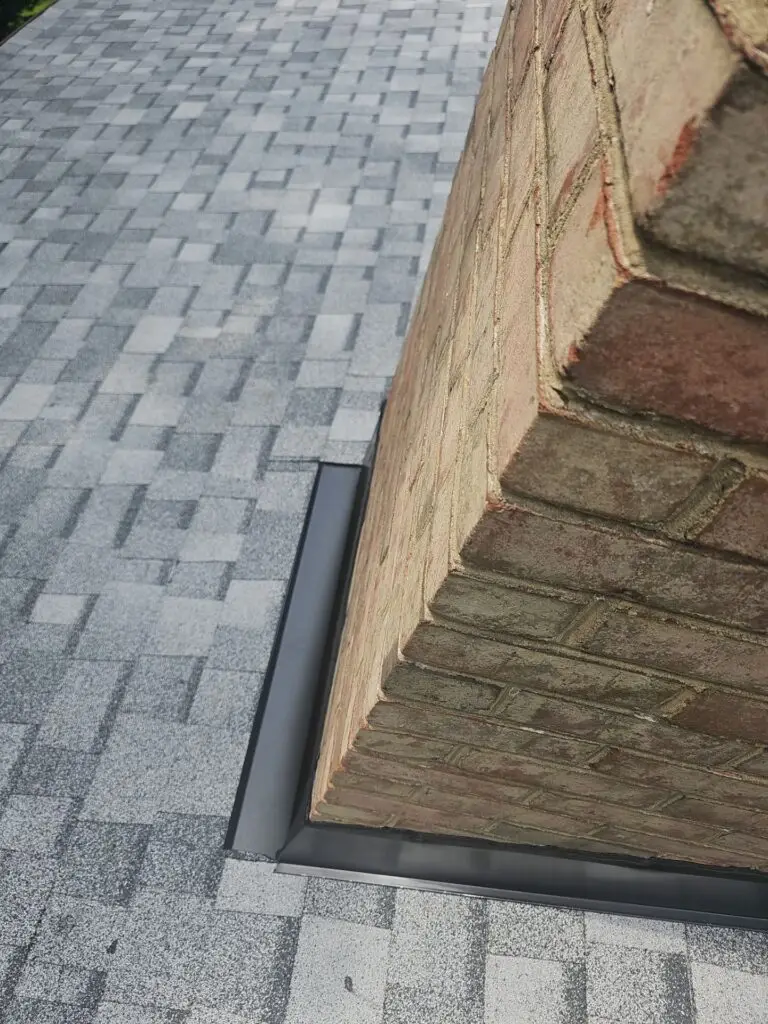
Damaged or Missing Flashing Around Chimneys, Vents, or Skylights: Flashing is crucial for preventing water ingress at roof penetrations.
Granules or Debris in the Gutters or Downspouts: Finding tiny gravel-like particles in your gutters means your shingles are wearing out.
Regular roof inspections can help identify roof damage before it becomes a major issue. Homeowners can perform a visual inspection from the ground or hire a professional roofing contractor to inspect the roof. By catching problems early, you can save on extensive repairs and maintain the longevity of your roof.
How to Choose the Best Roof Repair Service Near You
Finding a reliable roofing contractor isn’t as simple as picking the first result that pops up. You want someone who’s skilled, trustworthy, and local—because proximity matters when it comes to fast service. Here’s how to narrow down your options:
Look for Local Expertise
Searching “roof repair near me” prioritizes companies familiar with your area’s weather patterns and building codes. A roofer who knows how to handle the heavy snows of the Northeast or the brutal sun of the Southwest will deliver better results than a generic out-of-town crew.Check Reviews and References
Online reviews are your best friend. Look for consistent praise about punctuality, quality of work, and communication. Don’t hesitate to ask the contractor for references from past clients in your area, too.Verify Licensing and Insurance
A legit roofing company should have proper licensing and insurance to protect you from liability if something goes wrong. Ask for proof before signing anything.Get Multiple Quotes
Price shouldn’t be the only factor, but comparing quotes helps you spot red flags—like a bid that’s suspiciously low or outrageously high. Most reputable roofers offer free inspections, so take advantage of that.Ask About Warranties
Good contractors stand by their work. A warranty on labor and materials gives you peace of mind that your repair will last.
By keeping these tips in mind, your search for “roof repair near me” will lead you to a pro who gets the job done right.
Qualities of a Good Roofing Contractor
When it comes to hiring the right roofing contractor, homeowners need to ensure they are working with a reliable and trustworthy local professional. Here are some things to look for in a quality roofing contractor:
Licenses and Certifications: A good roofing contractor should be licensed and certified by the state and local authorities. This ensures they meet the required standards and regulations.
Insurance: A reputable roofing contractor should have liability insurance and workers’ compensation insurance to protect homeowners and their employees. This coverage is crucial in case of accidents or damage during the project.
Experience: Look for a contractor with extensive experience in roofing repairs and replacements. Experienced contractors are more likely to deliver quality work and handle unexpected issues effectively.
Reputation: Check reviews online and ask friends and family for companies they have worked with in the past. Consistent positive feedback is a good indicator of reliability and quality.
Warranty: A good roofing contractor should offer a warranty on their work and materials. This provides peace of mind that the repair or replacement will last.
Communication: A reliable contractor should communicate clearly and promptly with homeowners throughout the project. Good communication ensures that you are informed and comfortable with the progress and any decisions that need to be made.
By considering these qualities, homeowners can find a roofing contractor who will provide high-quality service and ensure the longevity of their roof.
What to Expect During a Roof Repair
Once you’ve chosen a contractor, you might wonder what the repair process looks like. While every job is unique, here’s a general rundown:
Inspection: The roofer will examine your roof (and sometimes your attic) to pinpoint the damage and figure out what’s needed. This step is crucial for an accurate quote.
Estimate: You’ll get a breakdown of costs, including labor, materials, and any additional fixes (like replacing rotted wood).
Repair Work: Depending on the issue, this could involve replacing shingles, patching leaks, sealing flashing, or reinforcing weak spots. Most minor repairs take a day or less. In some cases, the contractor might recommend a new roof if the damage is extensive.
Cleanup: A good crew cleans up debris and leaves your property looking as good as they found it.
Final Walkthrough: The contractor should show you the completed work and ensure you’re satisfied.
Knowing what to expect takes the stress out of the process, so you can focus on getting your roof back in top condition.
Step-by-Step Guide to Roof Repair
Roof repair can be a complex process, but with the right guidance, homeowners can navigate the process with ease. Here is a step-by-step guide to roof repair:
Identify the Damage: Determine the extent of the damage and identify the source of the leak or issue. This may involve a thorough inspection of the roof and attic.
Gather Materials: Collect the necessary materials and tools to complete the repair. This may include shingles, underlayment, nails, sealant, and safety equipment.
Remove Damaged Shingles: Carefully remove the damaged shingles and inspect the underlying structure. Ensure that the area is clean and free of debris.
Repair or Replace the Underlayment: Repair or replace the underlayment as needed. The underlayment provides an additional layer of protection against water infiltration.
Install New Shingles: Install new shingles, ensuring they are properly aligned and secured. Follow the manufacturer’s instructions for the best results.
Seal the Edges: Seal the edges of the shingles to prevent further leaks. This step is crucial for maintaining the integrity of the repair.
Inspect and Test: Inspect the repair and test the roof to ensure it is watertight. This may involve spraying water on the roof to check for leaks.
By following these steps, homeowners can ensure that their roof repair is done correctly and effectively. However, for most repairs, it is advisable to hire a professional roofing contractor to ensure the job is done safely and to a high standard.
DIY vs. Professional Roof Repair: What’s the Right Choice?
If you’re handy, you might be tempted to tackle a roof repair yourself. For tiny fixes—like replacing a single shingle—DIY can work if you’ve got the tools and confidence. But for most issues, calling a pro after searching “roof repair near me” is the smarter move. Here’s why:
Safety: Roofs are steep and slippery. Without proper gear, you’re risking a fall.
Expertise: Pros can spot hidden damage that you might miss, preventing future problems. They can also assess whether a new roof is needed, something a DIYer might overlook.
Efficiency: What might take you a weekend could take a skilled roofer a few hours.
Warranty: DIY fixes don’t come with guarantees, but professional repairs often do.
Unless it’s a quick patch and you’re comfortable on a ladder, leave it to the experts. Your safety and your roof’s longevity are worth it.
How Much Does Roof Repair Cost?
The cost of roof repair varies depending on factors like the size of your roof, the extent of the damage, and your location. On average, minor repairs (like fixing a small leak) might run $150 to $400, while more extensive work (like replacing a section of shingles) could range from $500 to $1,500. For a precise estimate, contact a local contractor by searching “roof repair near me”—most offer free quotes.
Keep in mind that investing in repairs now can save you from a full roof replacement later, which can easily cost $5,000 to $15,000 or more. In comparison, the cost of a new roof installation can be significantly higher, but it comes with benefits like quick installation times, guaranteed workmanship, and peace of mind. Think of it as preventative maintenance for your home.
Choosing the Right Roofing Materials
Choosing the right roofing materials can be overwhelming, especially with the numerous options available. Here are some factors to consider when selecting roofing materials:
Durability: Consider the lifespan of the material and its ability to withstand harsh weather conditions. Durable materials can save you money in the long run by reducing the need for frequent repairs or replacements.
Cost: Determine the cost of the material and the installation process. While some materials may have a higher upfront cost, they may offer better value over time.
Maintenance: Consider the maintenance requirements of the material and its impact on the environment. Some materials require more upkeep than others, which can affect your long-term costs and effort.
Aesthetics: Choose a material that complements the style and color of the house. The right roofing material can enhance your home’s curb appeal and overall aesthetic.
Warranty: Look for materials with a comprehensive warranty that covers manufacturing defects and workmanship. A good warranty provides peace of mind and protection for your investment.
By considering these factors, homeowners can select roofing materials that meet their needs and preferences, ensuring a durable and attractive roof.
Types of Roofing Materials
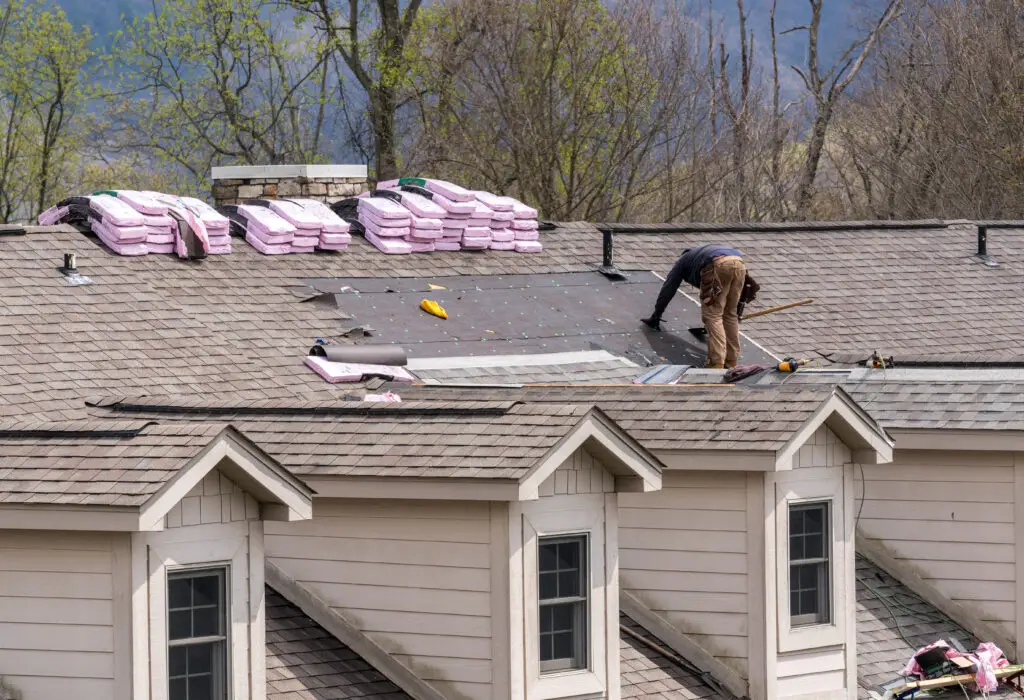
There are various types of roofing materials available, each with its unique characteristics and benefits. Here are some common types of roofing materials:
Asphalt Shingles: A popular choice for residential roofs, asphalt shingles are affordable, durable, and easy to install. They come in a variety of colors and styles to match any home.
Metal Roofing: Metal roofing is a durable and energy-efficient option that can withstand harsh weather conditions. It is available in various styles, including panels and shingles, and can last up to 50 years or more.
Clay Tiles: Clay tiles are a popular choice for Mediterranean-style homes, offering a unique aesthetic and durability. They are resistant to fire and can last for decades with proper maintenance.
Slate Tiles: Slate tiles are a premium option that offers exceptional durability and a luxurious appearance. They are resistant to weathering and can last over a century, making them a long-term investment.
Wood Shingles: Wood shingles are a natural and eco-friendly option that offers a unique aesthetic and durability. They provide good insulation and can last up to 30 years with proper care.
By understanding the different types of roofing materials, homeowners can make informed decisions about their roof replacement projects, ensuring they choose the best material for their home’s needs and style.
Prevent Future Roof Repairs
Once your roof is fixed, you’ll want to keep it that way. Regular maintenance can extend its life and reduce the need to search roof repair” again anytime soon. Try these tips:
Clean Gutters: Clogged gutters can cause water to back up and damage your roof.
Trim Trees: Overhanging branches can scrape shingles or fall during storms.
Schedule Inspections: Have a pro check your roof annually or after major weather events.
Act Fast: Address small issues before they escalate.
Remove Snow: Snow accumulation can lead to leaks and structural damage. Regularly removing snow helps prevent potential damage and stress on the roof over time.
A little effort goes a long way toward keeping your roof—and your wallet—in good shape.
Ready to Find Roof Repair Near You?
If your roof is showing signs of trouble, don’t wait for the next rainstorm to force your hand. Start your search for roof repair near your home today and connect with a local expert who can restore your peace of mind. Local experts can also provide new roof installations if needed. A strong, leak-free roof isn’t just about comfort—it’s about protecting your home and everything in it.
Got questions about your specific situation? Reach out to a nearby roofing pro for a free inspection. With the right team on your side, you’ll have a sturdy roof over your head in no time.
Frequently Asked Questions About Roof Repairs
The average cost to patch a roof varies based on several factors, including the extent of the damage, the type of roofing material, and your location. Generally, homeowners can expect to pay between $150 and $1000 for minor roof patching. This price range typically covers small repairs, like fixing a small leak or replacing a few damaged shingles. For more extensive repairs, such as addressing larger areas of damage or replacing multiple shingles, the cost can increase to between $1,500 and $4,000. To get the most accurate estimate, it’s recommended to contact local roofing contractors. By searching “roof repair near me,” you can find professionals who offer free quotes and can provide a detailed breakdown of the expected costs.
Yes, you can repair just part of a roof. Partial roof repairs are common when the damage is localized, such as replacing missing shingles, fixing a small leak, or addressing a specific area compromised by storm damage. This approach is cost-effective and can extend the life of your roof without needing a full replacement. However, it’s crucial to ensure the repair is done by a skilled roofing contractor to maintain the integrity of the entire roofing system.
Homeowners insurance may cover roof leaks if the damage is caused by a covered peril, such as a storm, fire, or vandalism. However, it typically doesn’t cover leaks resulting from neglect or lack of maintenance. It’s essential to review your policy and consult with your insurance provider to understand what specific scenarios are covered. Regular inspections and maintenance can help identify potential issues before they lead to significant damage, ensuring your roof remains protected under your policy.
The best person to fix a leaking roof is a certified roofing contractor. These professionals have the expertise, experience, and tools necessary to accurately diagnose and repair leaks, ensuring the integrity and longevity of your roof. When searching for a roofing contractor, look for someone local with good reviews and proper licensing and insurance. This will provide peace of mind that the job will be done correctly and safely.