



What Is a Roof Drip Edge and Why Is It Essential?
When it comes to protecting your home from water damage, every part of your roofing system matters. One often-overlooked yet crucial element is the roof drip edge. While small in size, this simple metal flashing provides an extra layer of defense that enhances the longevity of your roof. If you’re planning a roof replacement or repair, understanding the importance of a drip edge can save you from costly damage down the line.
What Is a Roof Drip Edge?
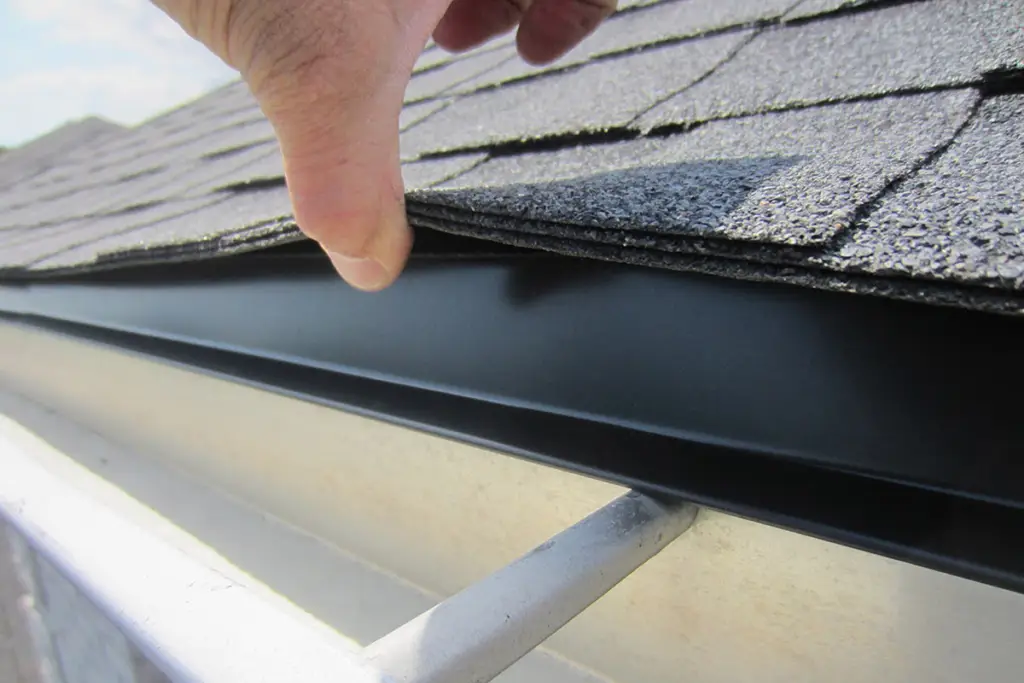
A roof drip edge is a metal flashing installed along the edges of your roof. Its primary function is to direct water away from the fascia and into the gutters, preventing water infiltration that can cause rot, mold, and structural damage. Typically made from aluminum, galvanized steel, or copper, drip edges are designed to withstand the elements and provide long-lasting protection.
Drip edge flashing is crucial for effective water diversion and protection against water damage in roofing systems.
Drip edges come in three main profiles:
Type C – The most common style, featuring an L-shaped profile that extends slightly beyond the roof edge.
Type D – Similar to Type C but with a more pronounced curve to guide water further away.
Type F – Also known as the extended drip edge, this version is designed for homes with overhangs or where an existing drip edge needs to be replaced without removing the shingles.
Types of Drip Edges

1. Drip Edge Profiles
Drip edge profiles refer to the shape and design of the drip edge. There are several types of drip edge profiles, each with its own unique characteristics and benefits.
- L-Type, T-Type, C-Type, F-Type, and Z-Type
When it comes to drip edge profiles, there are several options to consider, each designed to address specific roofing needs. The L-Type drip edge, also known as the standard profile, features a simple L-shaped design that provides basic protection for the roof’s edge. The T-Type drip edge, on the other hand, has a T-shaped profile that offers enhanced stability and support for the roofing material.
The C-Type drip edge is the most common, with an L-shaped profile that extends slightly beyond the roof edge to direct water away effectively. The F-Type, or extended drip edge, is ideal for homes with overhangs or when replacing an existing roof drip edge without removing shingles. Lastly, the Z-Type drip edge features a unique Z-shaped profile that provides additional protection against water infiltration, making it suitable for areas prone to heavy rainfall.
2. Drip Edge Materials
Drip edges are a type of roof flashing and can be made from a variety of materials, each with its own unique benefits and drawbacks.
- Aluminum, Galvanized Steel, Copper, and Vinyl
The material of a drip edge plays a crucial role in its performance and durability. Aluminum drip edges are lightweight, resistant to rust, and easy to install, making them a popular choice for many homeowners. Galvanized steel drip edges, on the other hand, offer superior strength and durability, making them ideal for areas with harsh weather conditions. The galvanized coating also provides excellent resistance to corrosion.
Copper drip edges are known for their longevity and aesthetic appeal. Over time, copper develops a natural patina that adds a unique look to the roof’s edge. However, copper is more expensive than other materials. Vinyl drip edges are a cost-effective option, offering good resistance to moisture and rot. However, they may not be as durable as metal options and can become brittle over time.
Choosing the right material for your drip edge depends on your specific needs, budget, and the environmental conditions in your area. Each material has its own set of advantages, so it’s essential to consider these factors when making your decision.
Why Is a Galvanized Steel Drip Edge Important?
Many homeowners underestimate the role of a drip edge, but it is an essential part of a properly functioning roofing system. Here’s why it matters:
Signs of a damaged drip edge, such as rust, corrosion, or warping, can compromise its effectiveness in preventing water infiltration at the roof’s edge. Timely inspection and potential replacement are crucial for maintaining the roof’s integrity.
1. Prevents Water Damage
Without a drip edge, water can seep underneath the shingles and reach the roof decking and fascia board, leading to wood rot and mold growth. Over time, this can compromise the structural integrity of your roof and lead to costly repairs.
2. Protects the Fascia Board and Soffit
The fascia and soffit are critical for roof ventilation and aesthetic appeal. A drip edge prevents water from dripping down the fascia, which can cause peeling paint, decay, and damage to the soffit area.
A gutter apron, also known as an F-type drip edge, is designed specifically for areas exposed to high winds. Its extended flange overlaps both the roof deck and fascia board, providing additional protection against water intrusion from wind-driven rain.
3. Enhances Gutter Efficiency
Drip edges help channel rainwater directly into the gutters instead of letting it drip behind them. This improves the overall performance of your gutter system, reducing the risk of leaks and foundation issues.
4. Provides Pest Protection
A properly installed drip edge seals the gap between the roof deck and the fascia, preventing small animals and insects from entering your attic space. Without it, pests like squirrels, birds, and wasps can find their way into your home.
5. Boosts Wind Resistance
In areas prone to high winds and heavy storms, a drip edge helps secure the edges of the shingles, preventing wind-driven rain from getting underneath. This is especially important for homes in coastal or storm-prone regions.
Is a Drip Edge Required by Code?
In most areas, building codes require drip edges to be installed as part of a new roof system. The International Residential Code (IRC) mandates drip edges for asphalt shingle roofs to ensure durability and proper water runoff. According to the 2018 International Residential Code (IRC), it is required to install drip edge flashing to comply with local building codes and pass home inspections. If your home is missing a drip edge, your roof may not meet modern code requirements, which can impact insurance claims and resale value.
Roof drip edge installation is a crucial aspect of comprehensive roofing services, ensuring the durability and effectiveness of your roof.
Roof Drip Edge Installation
Proper installation of a drip edge is key to its effectiveness. To protect your roof from water damage, it is essential to install a drip edge as a protective measure. It should be placed under the first layer of shingles along the eaves and over the underlayment along the rakes.
Installing a drip edge is a vital component in roofing, ensuring proper drainage and structural integrity.
The installation process includes:
Measuring and Cutting – Drip edges are cut to fit the perimeter of the roof.
Positioning the Flashing – The drip edge is nailed in place, starting from the eaves.
Overlapping Sections – Each section should overlap the previous one to prevent gaps.
Securing with Nails – Fastened using roofing nails at evenly spaced intervals.
Sealing for Extra Protection – In some cases, a waterproof sealant is applied for added durability.
The flexibility to install drip edges both during and after the installation of shingles makes it a versatile option for roof protection.
Installing drip edge is a critical process for achieving proper roof protection from water damage. Using the right tools and methods, this task can be undertaken by experienced do-it-yourselfers or professionals, providing an added layer of security to maintain the integrity of roofing systems.
Trust JDH Remodeling for Expert Roofing Solutions
If you’re replacing or repairing your roof, don’t overlook the importance of a drip edge. At JDH Remodeling, we specialize in high-quality roofing solutions that protect your home from the elements. As an Owens Corning Platinum Preferred Roofing Contractor, we ensure that every aspect of your roof project meets the highest standards of durability and performance. Our comprehensive services include the installation of roof drip edges, essential for directing water away from the roof’s edge and enhancing protection against water damage and pest intrusion.
Contact us today for a free inspection and let our experts ensure your home stays safe, dry, and secure with a properly installed drip edge!